Chapter 02 — The Shirts

Formal shirt stylesThirteen ways to wear a formal shirt

From the white formal shirt to the utility overshirt, the formal wardrobe is wider than it first appears. Each style below has its own character, its own rules and its own best settings. Choose the ones that fit the life you actually lead.

  1. 01Classic formal shirts
  2. 02White formal shirts
  3. 03Blue formal shirts
  4. 04Slim-fit formal shirts
  5. 05Regular-fit formal shirts
  6. 06Contemporary formal shirts
  7. 07Striped formal shirts
  8. 08Checked formal shirts
  9. 09Solid-colour formal shirts
  10. 10Minimalist formal shirts
  11. 11Contrast-collar shirts
  12. 12Embellished formal shirts
  13. 13Utility overshirts
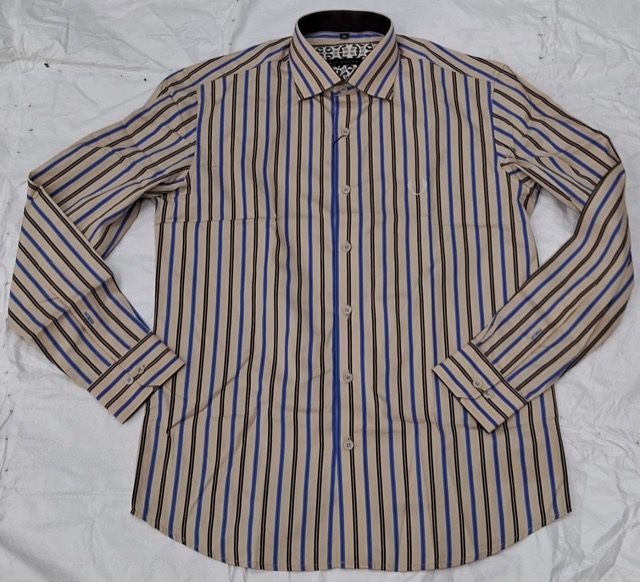
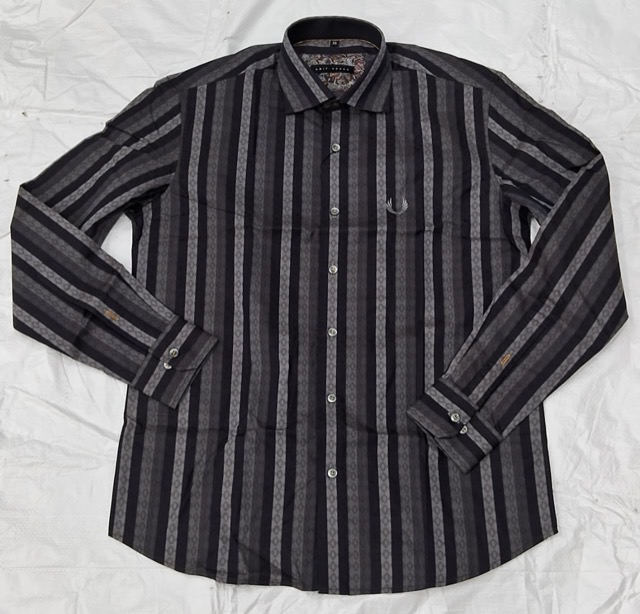
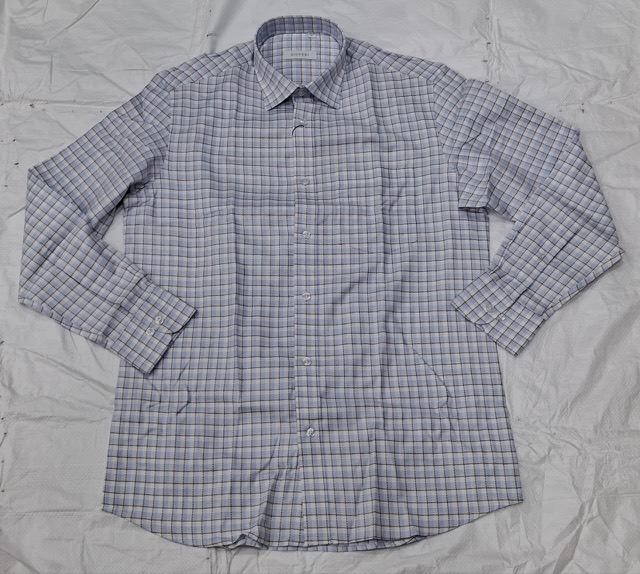
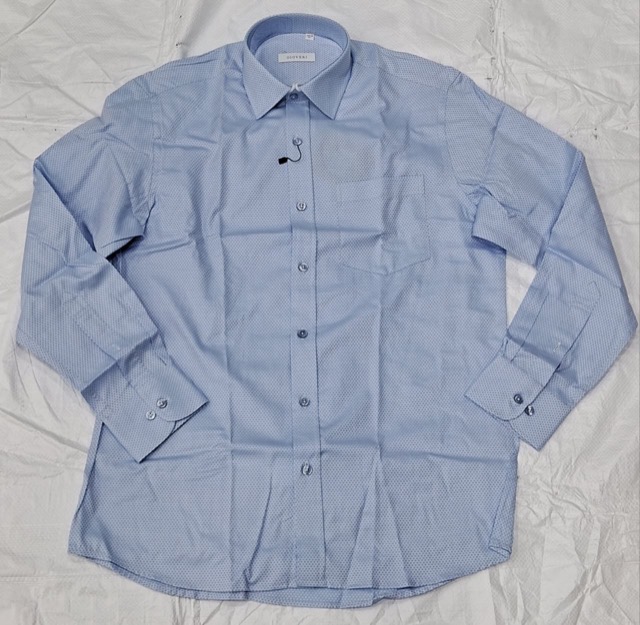
Classic black and grey striped formal shirt for men
Pl. 01Classic formal shirts

The classic formal shirt

The classic formal shirt is built on restraint: a traditional collar, a clean front, a single-button cuff and a ground of solid colour or a disciplined stripe. It is designed to sit beneath a suit and look as though it has always been there.
Styling characteristics

  • Point or semi-spread collar that holds a tie knot
  • Regular or tailored body with a curved, tuck-in hem
  • Quiet colours and narrow, evenly spaced stripes

Suitable settings

  • Boardrooms
  • Interviews
  • Formal ceremonies
White formal shirt for men with a faint grey micro-check
Pl. 02White formal shirts

White formal shirts for men

White is the most formal colour a shirt can be, and the most revealing: it shows every flaw in fit and every lapse in care. A white shirt with a faint micro-check, like this one, keeps the clarity of white while adding a little depth up close.

Styling characteristics

  • Maximum contrast with dark suits
  • Works with any tie colour or pattern
  • Demands careful laundering and pressing

Suitable settings

  • Black-tie adjacent events
  • Senior meetings
  • Weddings and receptions
Light blue formal shirt for men laid flat
Pl. 03Blue formal shirts

Blue formal shirts for men

If the white shirt is the formal ideal, the blue formal shirt is the working reality. Pale blue softens the contrast with a dark suit, flatters most skin tones and hides the small creases of a long day better than white.

Styling characteristics

  • Pairs with navy, grey, brown and khaki
  • Slightly less formal than white, more versatile
  • Shades range from ice to mid-blue

Suitable settings

  • Everyday office wear
  • Client meetings
  • Presentations
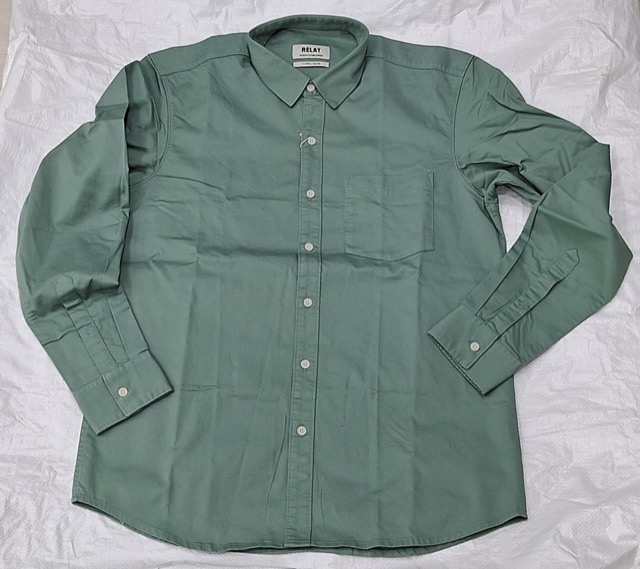
Sage green solid shirt laid flat, illustrating a slim-fit formal silhouette
Pl. 04Slim-fit formal shirts

Slim fit formal shirts

Slim-fit formal shirts are cut closer through the chest, waist and sleeves, with higher armholes that allow freer arm movement without excess fabric. They suit slimmer builds and modern, narrow suits.

Styling characteristics

  • Tapered from chest to waist
  • Narrower sleeves and smaller armholes
  • Clean line under fitted jackets

Suitable settings

  • Contemporary offices
  • Evening events
  • Worn alone without a jacket
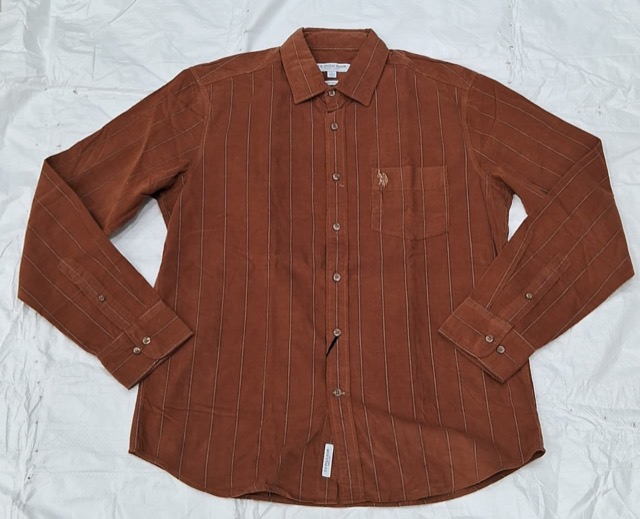
Rust solid shirt with a chest pocket, illustrating a regular-fit formal shirt
Pl. 05Regular-fit formal shirts

Regular fit formal shirts

Regular-fit formal shirts allow more room through the body and sleeves. They are comfortable through long, active working days, suit broader or more athletic builds, and drape gracefully rather than clinging.

Styling characteristics

  • Straighter body with comfortable ease
  • Often finished with a chest pocket
  • Easy movement for long days and commutes

Suitable settings

  • Long office days
  • Travel
  • Business-casual Fridays
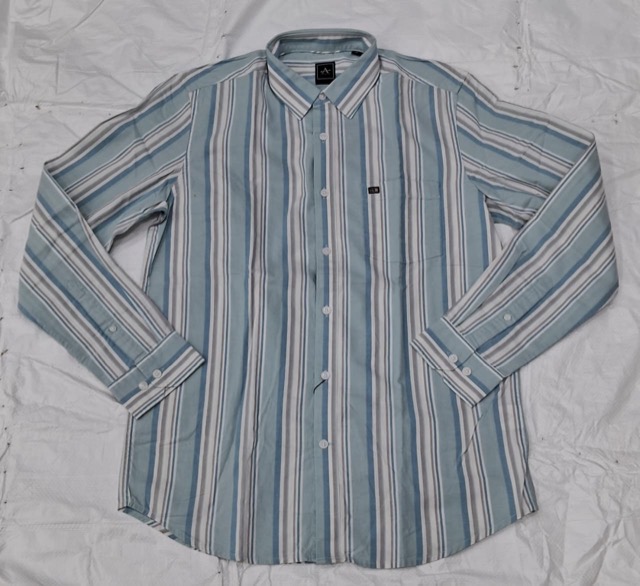
Teal and grey striped contemporary formal shirt
Pl. 06Contemporary formal shirts

The contemporary formal shirt

Contemporary formal shirts keep the structure of a classic shirt but update the details: an unexpected colour, a broken or multi-tone stripe, a softer collar. They are formal enough for the office and interesting enough for the evening.

Styling characteristics

  • Unusual colourways like teal, sage or aubergine
  • Multi-tone and irregular stripes
  • Designed to be worn with or without a tie

Suitable settings

  • Creative industries
  • After-work events
  • Business-casual offices
Navy and ochre striped formal shirt
Pl. 07Striped formal shirts

Striped formal shirts

Stripes add vertical rhythm, and they can make the wearer look slightly taller and leaner. Narrow pinstripes are the most formal; bolder, widely spaced or multi-coloured stripes become progressively more relaxed.

Styling characteristics

  • Pinstripe, pencil, bengal and multi-stripe
  • Elongating vertical lines
  • Pair with solid ties or larger-scale patterns

Suitable settings

  • Corporate offices
  • Finance and law
  • Client lunches
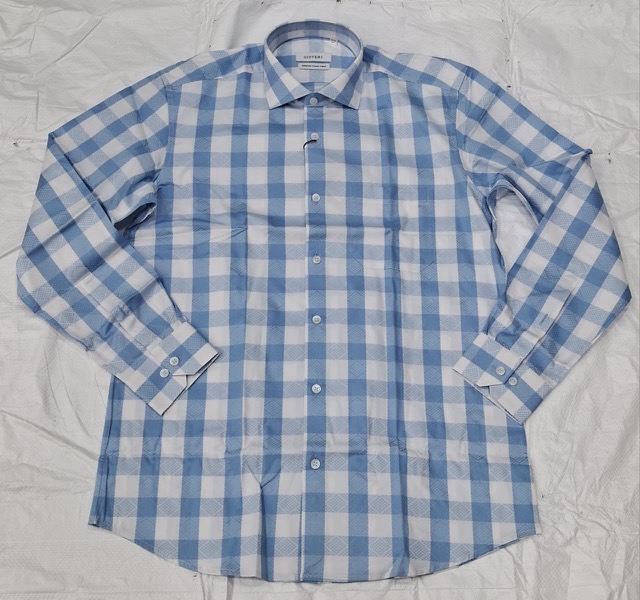
Blue and white gingham checked shirt
Pl. 08Checked formal shirts

Checked formal shirts

Checks sit a step closer to casual than stripes. Small, tight checks such as gingham, tattersall or micro-checks read almost as a solid from a distance, which makes them acceptable in most offices, while larger checks belong to relaxed days.

Styling characteristics

  • Gingham, windowpane and micro-check
  • Smaller scale means more formal
  • Best with solid ties and plain jackets

Suitable settings

  • Mid-week office days
  • Internal meetings
  • Smart-casual dinners
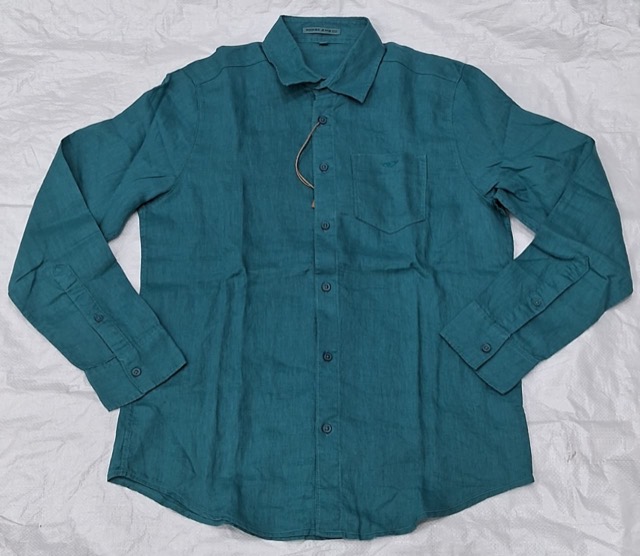
Teal solid-colour formal shirt
Pl. 09Solid-colour formal shirts

Solid colour formal shirts

A solid-colour formal shirt is the easiest canvas to build on. Without a pattern, everything depends on shade and fabric: the teal shown here is lively enough to stand alone, yet calm enough beneath a grey blazer.

Styling characteristics

  • Easy to pair with patterned ties and jackets
  • Shade choice sets the formality
  • Shows the quality of the fabric clearly

Suitable settings

  • Any office
  • Evening functions
  • Layered under knitwear
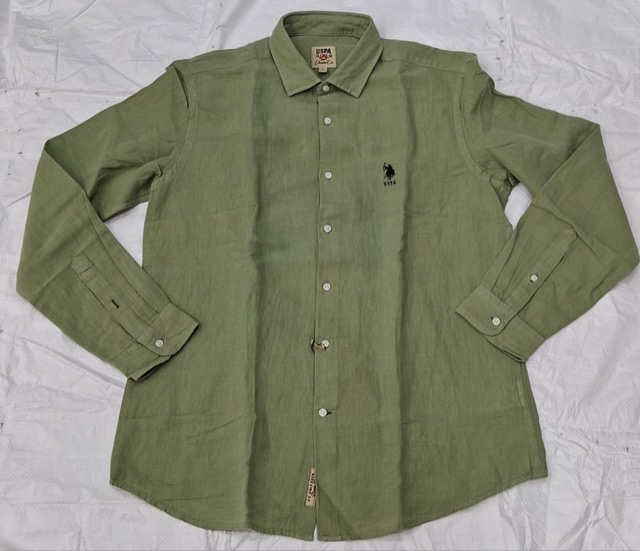
Olive minimalist shirt with a clean placket
Pl. 10Minimalist formal shirts

The minimalist formal shirt

Minimalist formal shirts remove everything that is not essential: no pocket, no contrast trims, tonal buttons, a clean collar. What is left is cut, colour and cloth, and that is exactly the point.

Styling characteristics

  • Tonal buttons and stitching
  • No pocket or visible branding
  • Relies on precise fit

Suitable settings

  • Design-led workplaces
  • Gallery and dinner events
  • Travel capsules
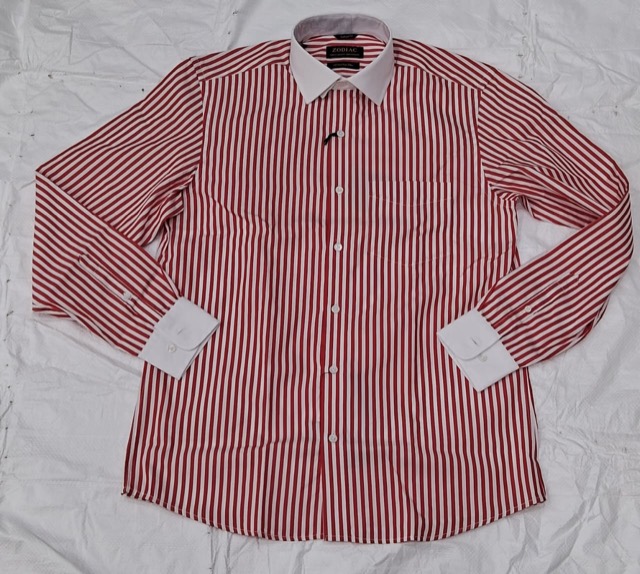
Red and white striped shirt with a white contrast collar and cuffs
Pl. 11Contrast-collar shirts

The contrast-collar shirt

A white collar and cuffs on a striped or coloured body began as a practical choice, because collars wore out first. Today it is a confident flourish that draws attention to the face and the hands.

Styling characteristics

  • White collar and cuffs on a coloured body
  • Works best with a solid tie
  • A statement, so wear it sparingly

Suitable settings

  • Celebrations
  • Confident client meetings
  • Formal evenings
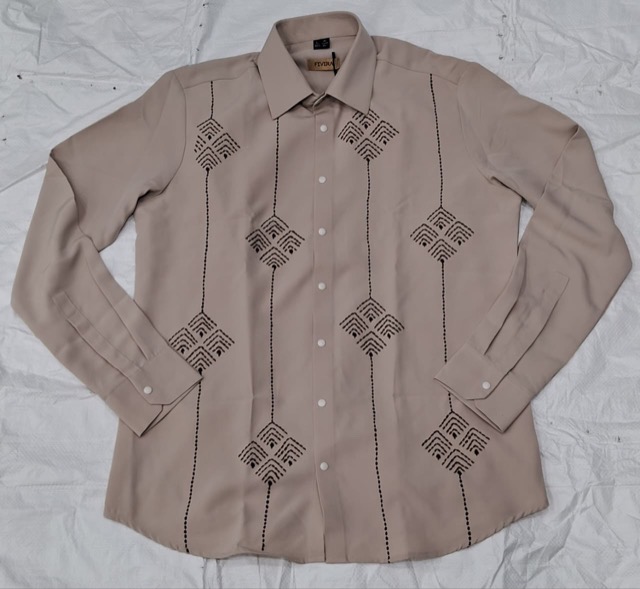
Beige shirt with embroidered vertical panels
Pl. 12Embellished formal shirts

Embellished and detailed shirts

Embroidered panels, piping and appliqué bring craft to the surface of the shirt. They belong to festive occasions and evenings rather than the boardroom, and look best with plain, well-cut trousers and nothing else competing for attention.

Styling characteristics

  • Embroidery, panels or piping
  • Neutral grounds keep detail elegant
  • Pair with solid trousers and no tie

Suitable settings

  • Festive gatherings
  • Family functions
  • Evening receptions
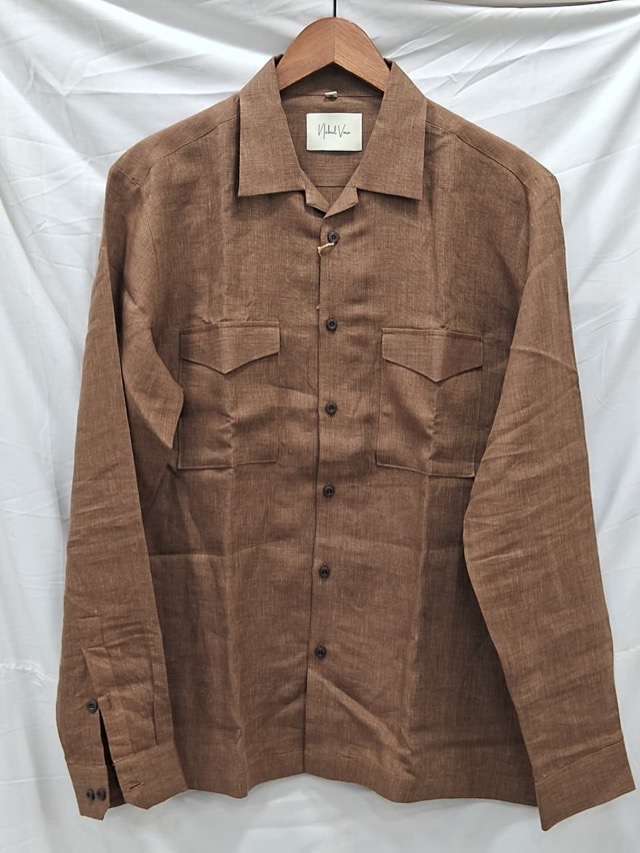
Tan utility overshirt with two flap pockets on a hanger
Pl. 13Utility overshirts

The utility overshirt

The utility overshirt, with two flap pockets and a sturdier cloth, sits at the most relaxed edge of the shirt wardrobe. On business-casual days it replaces a blazer as a smart outer layer over a fine knit or T-shirt.

Styling characteristics

  • Two flap chest pockets
  • Heavier, structured cloth
  • Worn open as a light jacket or closed as a shirt

Suitable settings

  • Business-casual Fridays
  • Weekend travel
  • Cooler evenings