Fabric & DetailsA close reading of shirt fabrics and construction
Fabric and finishing decide how a shirt feels at nine in the morning and how it looks at seven in the evening. This page explains the main shirting fabrics, how they are woven and what separates a considered shirt from an ordinary one.
◉ On a computer, hover over any plate to examine it under the loupe. On a phone, touch and drag.
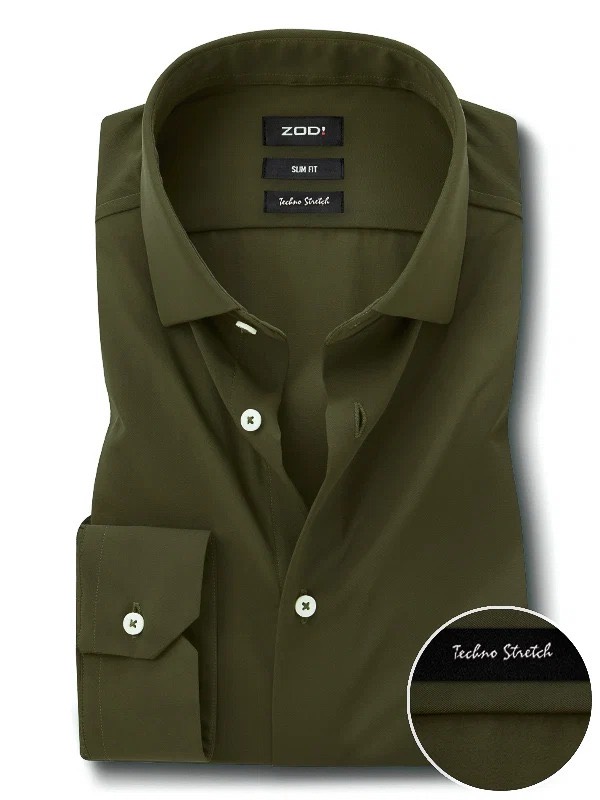
Pl. 01Olive solid, with a magnified swatch of the cloth
A note on these photographs. The plates illustrate surface, colour and construction. They are visual references, not fabric specifications for any particular shirt. For the composition of a specific shirt, please ask Options Mall directly.
The weave register
Six fabrics, each described by surface, feel, best climate, formality and breathability.
01
Cotton
Pl. 02Matte, even surface
Cotton is the foundation of shirting: a natural fibre that breathes, absorbs moisture and softens with washing. Almost every weave below can be made from cotton; the weave, yarn and finish decide how it looks.
Surface
Matte to soft sheen
Feel
Soft, natural
Climate
Warm and humid days
Formality
Breathability
02
Poplin
Pl. 03A flat, smooth face
Poplin is a tightly woven plain weave with a smooth, flat face and a subtle sheen. It presses crisply, holds colour well and is the classic choice for formal business shirts worn under a suit.
Surface
Smooth, light sheen
Feel
Cool and crisp
Climate
Year-round in the office
Formality
Breathability
03
Oxford
Pl. 04Soft, faintly textured
Oxford cloth uses a basket weave, with pairs of yarns crossing pairs, which gives a visible, slightly nubby texture and a soft, substantial handle. It is more relaxed than poplin, and is the natural fabric for button-down collars and business-casual days.
Surface
Textured, matte
Feel
Soft, sturdy
Climate
Air-conditioned offices
Formality
Breathability
04
Twill
Pl. 05A fine, close surface
Twill is woven so that the yarns form fine diagonal ribs across the cloth. It drapes beautifully, resists creasing better than many plain weaves and has a gentle lustre, which makes it a good companion for long days and travel.
Surface
Fine diagonal rib
Feel
Supple, dense
Climate
Travel and cooler months
Formality
Breathability
05
Broadcloth
Pl. 06Solid, with a close-up swatch
Broadcloth is a dense plain weave, closely related to poplin, traditionally finished to a smooth, slightly lustrous surface. It looks clean and formal, takes a sharp press and is a dependable choice for solid-colour dress shirts.
Surface
Smooth, dense
Feel
Firm, refined
Climate
Formal occasions
Formality
Breathability
06
Textured weaves
Pl. 07A small woven pattern
Dobby, herringbone, seersucker and similar textured weaves create pattern in the structure of the cloth rather than with print. They add depth to solid colours, hide creases well and bring interest to a sober wardrobe.
Surface
Raised, patterned
Feel
Varied, tactile
Climate
Depends on the weave
Formality
Breathability
Chambray, denim & the blue family
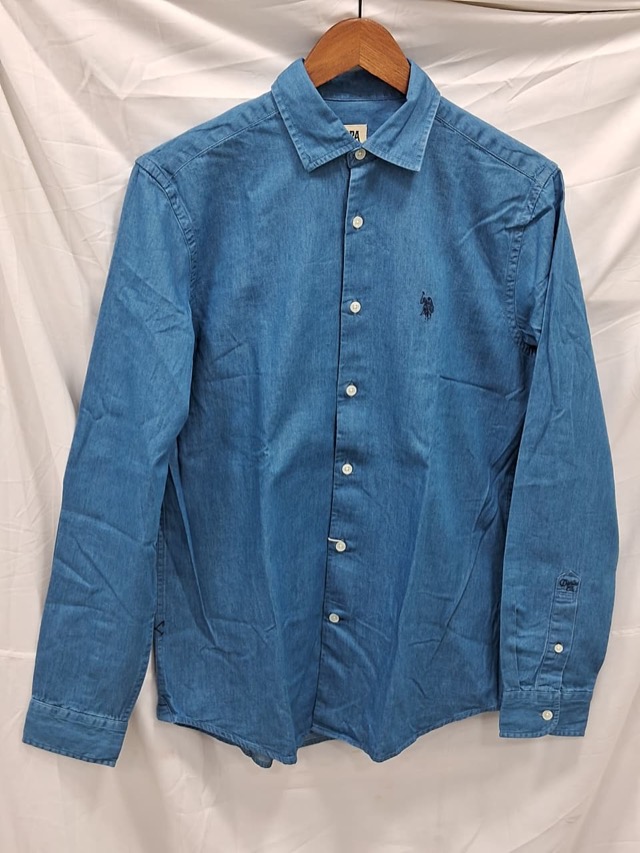
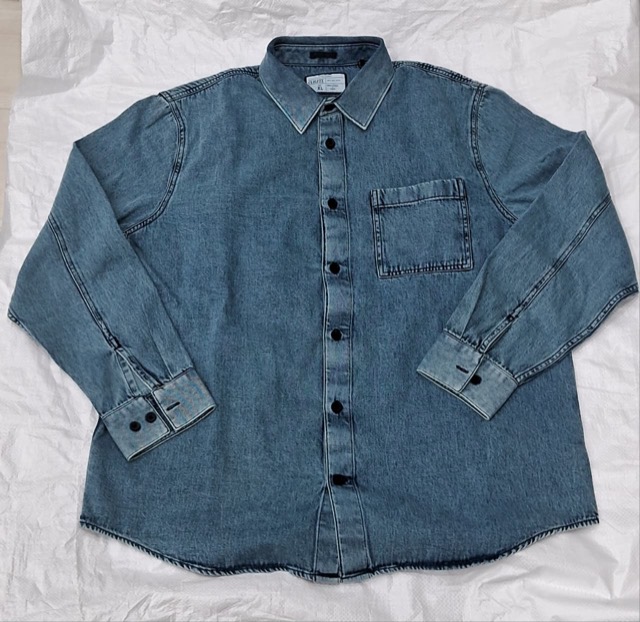
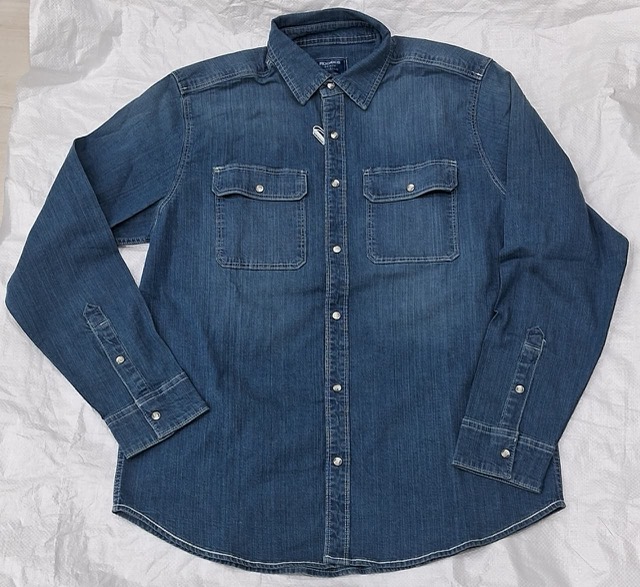
Chambray looks like denim but is woven like a shirt: a plain weave with coloured warp yarns and white weft yarns, which gives that softly mottled blue. Denim uses a heavier twill. Both sit at the relaxed end of the shirt wardrobe and are best kept for business-casual days, travel and weekends.
Pl. 08Chambray-look blue
Pl. 09Washed denim-look
Pl. 10Two pockets, contrast stitching
Weight, breathability & structure
Fabric weight describes how heavy a cloth is for a given area. Lighter cloths feel cooler and drape softly; heavier cloths feel substantial, hold their shape and resist wrinkles. For Mumbai’s climate, light to medium weights are usually the most comfortable choice for formal shirts.
Breathability depends on fibre and weave. Natural fibres like cotton and linen let air and moisture pass; open weaves breathe more freely than dense ones. A very tight, glossy weave looks formal but can feel warm on a humid afternoon.
Plain weave One over, one under. Poplin, broadcloth, chambray.Twill weave A stepped pattern that forms diagonals. Twill, denim, herringbone.Basket weave Pairs of yarns crossing pairs. Oxford cloth and its relatives.
The finishing touches
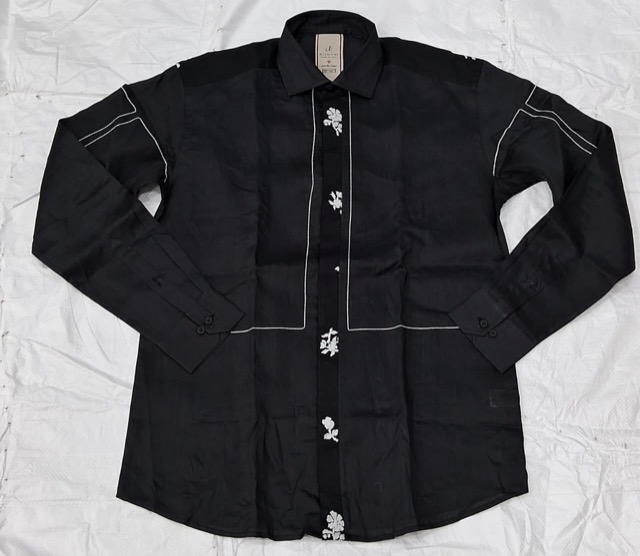
Pl. 13White piping tracing the seams
Shirt stitching
Look for small, even stitches that lie flat along every seam. Higher stitch density generally means a stronger, cleaner seam that will not pucker after washing. Contrast stitching or piping, as here, turns the seam itself into decoration.
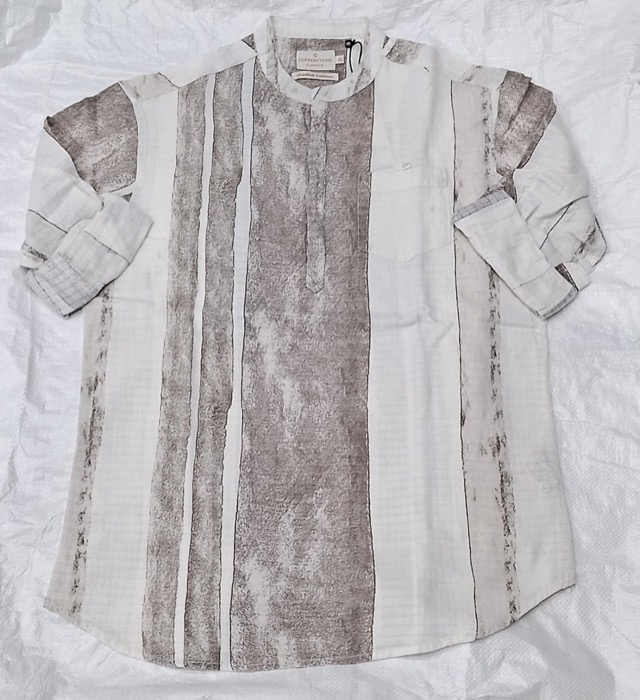
Pl. 14Collar and textured placket
Collar construction
A collar is built from an outer collar, an interlining for structure and a collar band that sits around the neck. Fused interlinings give a crisp, flat result; softer, unfused collars roll more naturally. Removable stays keep the points straight.
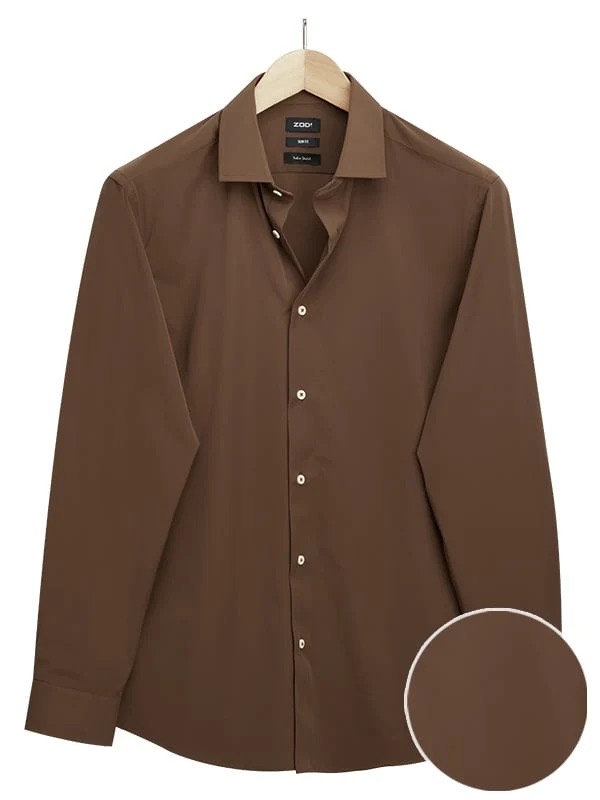
Pl. 15Brown solid, cuff and swatch
Cuff construction
Cuffs are constructed like small collars, with their own interlining. One-button barrel cuffs are standard; two-button cuffs suit longer wrists; mitred corners look sharper; French cuffs fold back and fasten with cufflinks for formal events.
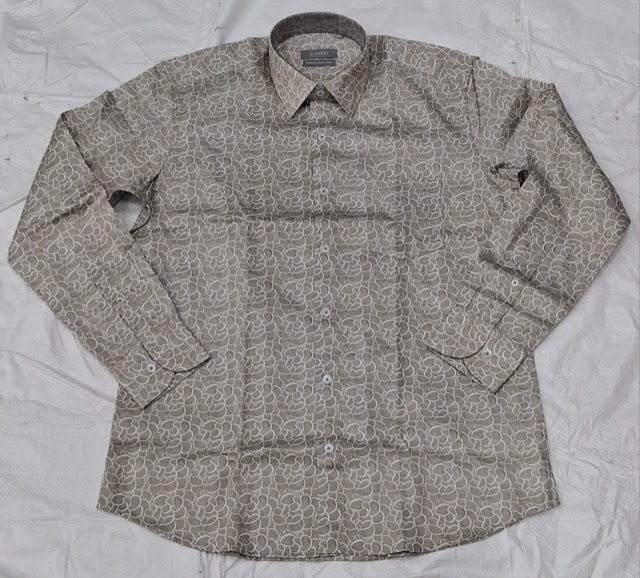
Pl. 16Tonal buttons on a micro-print
Buttons & finishing
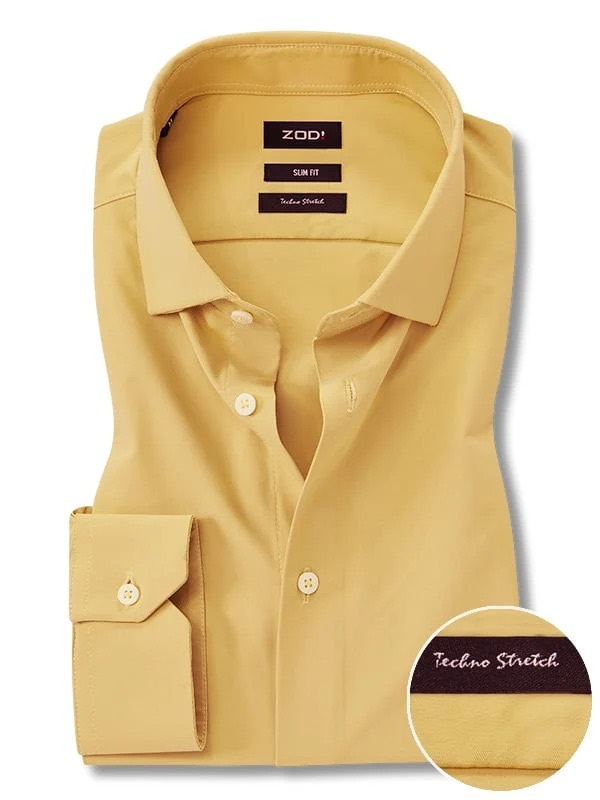
Good buttons are sewn firmly, sit flat and sit straight. Tonal buttons are discreet; contrasting ones make the placket a feature. Finishing details such as a reinforced side seam, a clean hem and neatly closed buttonholes reveal the care behind a shirt.